
 Available in US
Indian Premier League Betting Guide and Strategies
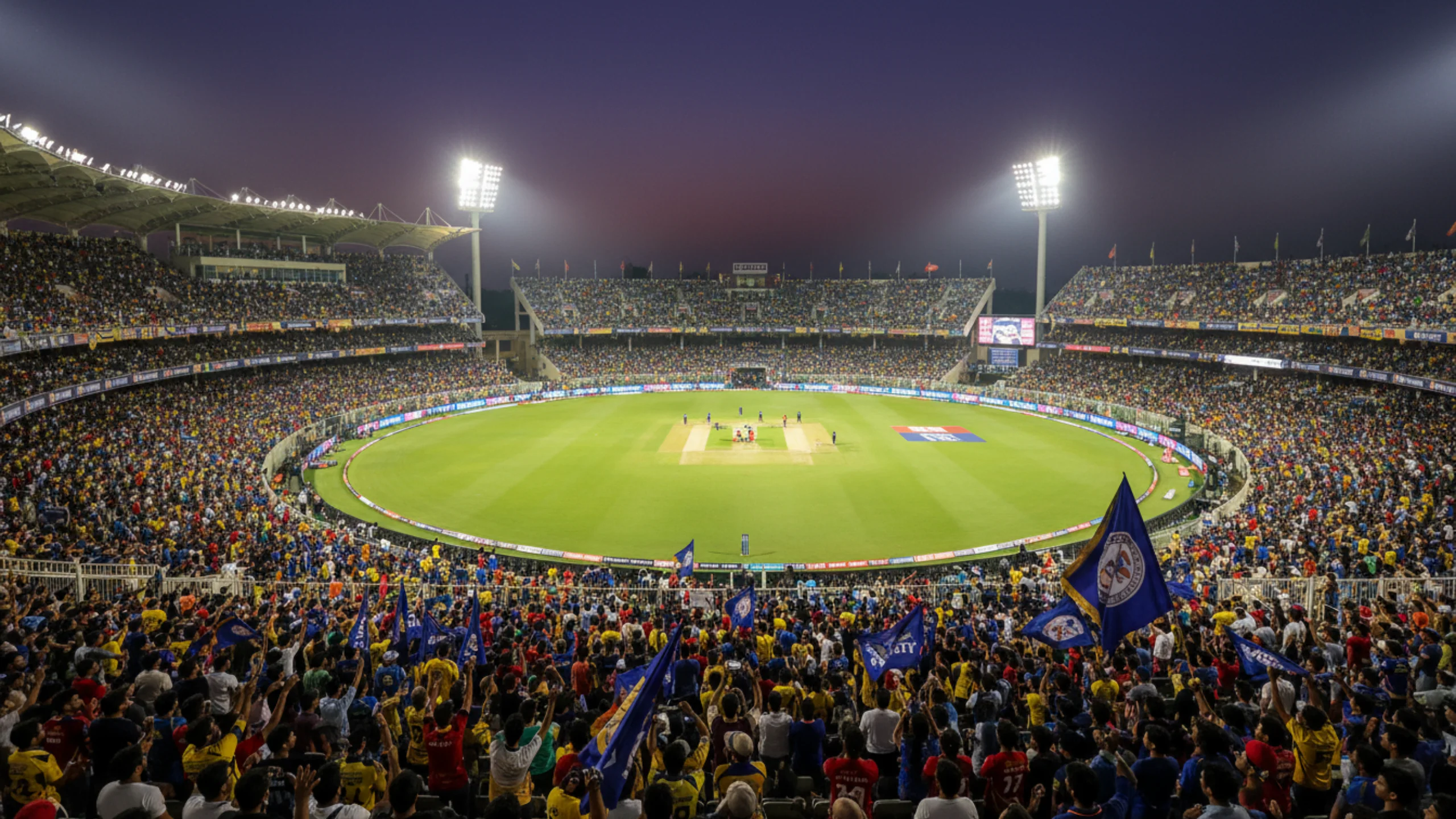
Every spring, the cricketing world’s attention converges on India for two months of relentless T20 action. The Indian Premier League has transformed from a controversial experiment in 2008 into the undisputed heavyweight of cricket leagues, dwarfing competitors in viewership, revenue, and betting turnover. Matches that pit Kolkata against Mumbai generate more wagering volume than most international Test series. The auction alone commands global attention as franchises spend millions assembling squads designed to lift the trophy.
For cricket bettors, the IPL represents both enormous opportunity and significant danger. The opportunity stems from market volume—more money flowing through markets means more liquidity, tighter margins, and more chances to find value. The danger comes from the tournament’s unique characteristics that can trap bettors applying generic cricket betting approaches without adjustment.
This isn’t like betting on international cricket where familiar national teams with stable compositions face each other in established patterns. IPL franchises reinvent themselves annually through auctions. Player performance varies wildly across venues and matchups. Foreign stars juggling international commitments might be fresh or exhausted. Young Indian talents emerge and fade within single seasons. The variables multiply in ways that reward deep engagement and punish casual assumptions.
Understanding what makes the IPL different from other cricket betting environments—and developing strategies tailored to those differences—separates profitable IPL bettors from those who donate their bankrolls to bookmakers during the sport’s most action-packed months.
Why the Indian Premier League Dominates Cricket Betting
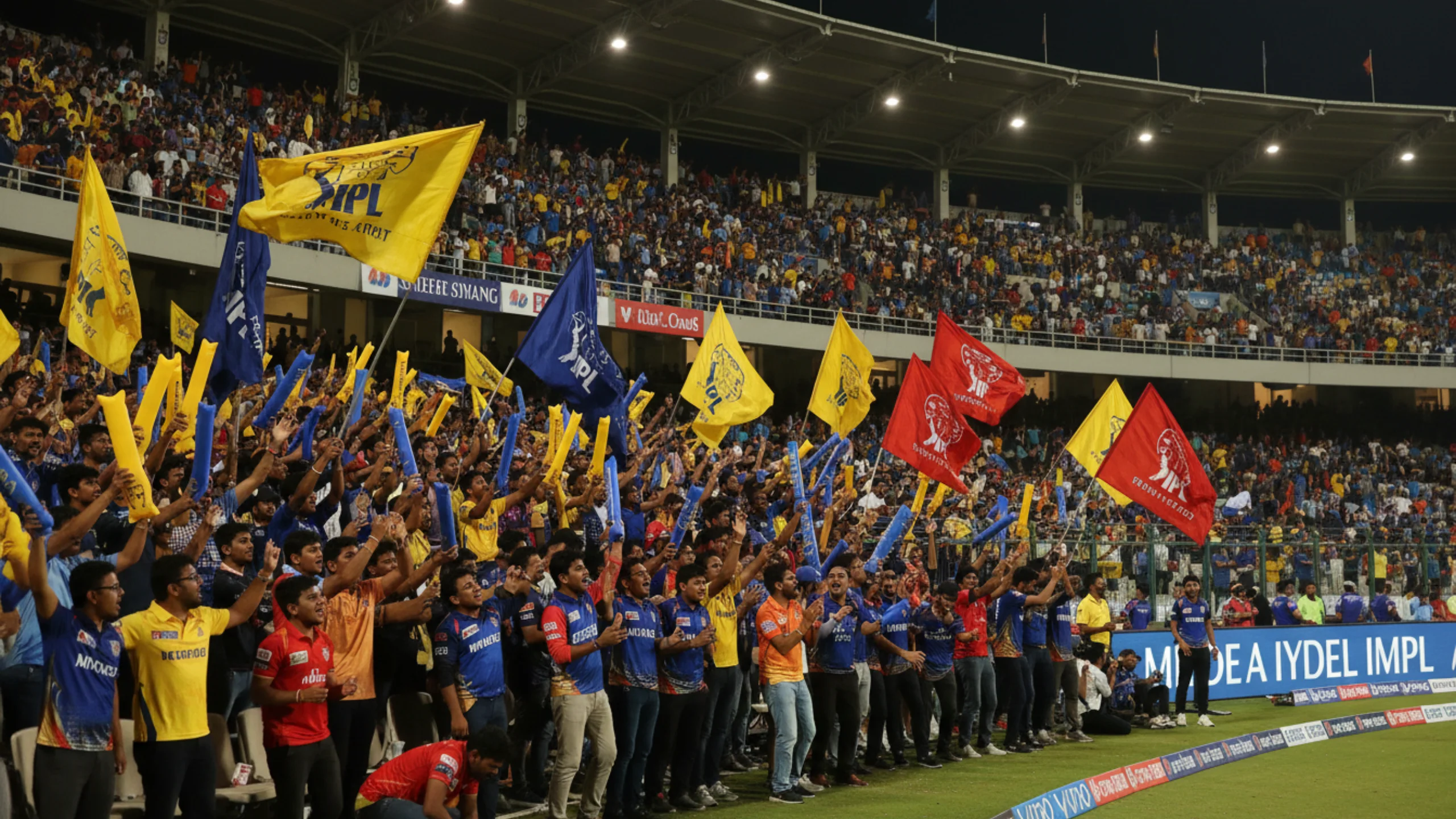
The numbers tell the story of IPL dominance. Estimated betting turnover during the tournament reaches into hundreds of billions of dollars globally, though precise figures remain elusive given significant unregulated market activity. What’s certain is that more money flows through IPL betting markets than any other cricket event and most sporting events generally.
This liquidity creates market efficiency that works both for and against bettors. Major match markets see prices converge across bookmakers as competition compresses margins. You might find only one or two percent difference between the best and worst prices on match winners. This efficiency means finding mispriced favourites becomes difficult—the market has already incorporated most available information.
However, the sheer variety of markets opens opportunities that less liquid events cannot offer. Player performance props, over-by-over betting, exotic markets on specific occurrences—these secondary markets receive less attention from sharp bettors and thus may harbour more frequent mispricings. The volume enables bookmakers to offer markets they’d never risk on lower-profile matches.
The compressed schedule intensifies betting activity. Sixty or more matches crammed into roughly eight weeks means daily games, sometimes double-headers. This pace creates challenges for analytical bettors—less time between matches for thorough preparation—but also prevents markets from becoming fully efficient as information updates faster than analysis can process.
Media coverage reaches saturation levels during the tournament. Every match receives extensive preview coverage. Injury news breaks constantly. Expert opinions flood broadcast and digital channels. This information abundance theoretically helps bettors but also gets incorporated into prices rapidly. Finding informational edge requires going deeper than publicly available analysis.
The international nature of IPL squads adds complexity. Australian, English, South African, West Indian, and players from other nations bring different levels of familiarity with Indian conditions. Some adapt quickly; others never find comfort. Tracking how individual foreign players perform in Indian conditions—distinct from their international records—provides analytical depth that surface-level statistics miss.
Understanding IPL Format and Schedule Dynamics
The IPL format influences betting strategy in ways that differ from bilateral series or world tournaments. Ten franchises play fourteen league matches each, facing some opponents twice and others once through a complex scheduling matrix. The top four teams advance to playoffs where elimination matches determine the champion.
This format creates early-season uncertainty that affects betting markets. New squads haven’t established patterns yet. Retained players might be rusty. Auction purchases remain unknown quantities in new team environments. Early matches often produce surprising results as combinations develop, making confident betting more difficult than later in the tournament when form becomes clearer.
Mid-season typically sees separation between contenders and also-rans. Teams with playoff hopes play with intensity; those eliminated from contention sometimes field weakened sides or experiment with squad options. This separation creates opportunities to identify motivated versus going-through-the-motions performances that prices may not fully reflect.
Playoff dynamics differ entirely from league phases. Elimination pressure changes how teams approach matches. Conservative batting to avoid collapse might replace aggressive intent. Death bowling becomes even more crucial with everything on the line. Players who thrive under pressure outperform those who wilt. Adjusting analysis for playoff intensity helps identify value in these high-stakes matches.
The schedule itself affects performance. Teams playing every other day face squad management challenges. Pace bowlers need rest between matches. Batsmen facing constant travel accumulate fatigue. Understanding which franchises handle scheduling congestion well—typically those with deeper squads—helps predict performance during fixture pile-ups.
Travel between venues creates additional variables. Moving from Mumbai’s sea-level humidity to Bangalore’s altitude affects player freshness. Adjusting from Chennai’s spin-friendly surfaces to Punjab’s batting paradises requires tactical flexibility. Franchises with home-ground advantages—more matches in familiar conditions—historically outperform expectations when playing at home.
Team Analysis and Franchise Pedigree

IPL franchises are not created equal despite nominal parity. Historical patterns reveal which organisations consistently compete versus which struggle despite spending. Understanding these institutional differences provides baseline expectations that individual squad analysis can then adjust.
Mumbai Indians and Chennai Super Kings have dominated IPL history, combining for nine championships in sixteen completed seasons before recent editions. This success isn’t coincidental. Both franchises benefit from stable ownership, experienced management, established team cultures, and historical ability to identify and develop talent. When these teams enter seasons as betting favourites, their prices often reflect genuine quality rather than mere reputation.
Conversely, certain franchises have consistently underperformed despite talented squads. Royal Challengers Bangalore famously reached finals without lifting trophies despite boasting some of cricket’s biggest names. Punjab Kings have never won the tournament despite several strong squads. These patterns suggest organisational factors—coaching, strategy, pressure handling—that transcend individual player quality.
New franchises entering the competition face learning curves. Lucknow Super Giants and Gujarat Titans joined recently, and their early performances reflect both squad quality and organisational establishment. Expansion teams sometimes surprise immediately; more often they take seasons to develop competitive cultures. Betting on new franchises requires acknowledging this uncertainty.
Captaincy matters more in IPL than many bettors recognise. T20 cricket demands quick tactical decisions—bowling changes, field adjustments, batting order shuffles. Experienced captains with established decision-making patterns provide stability that translates into consistent performance. New or inexperienced captains face steeper learning curves that create early-season volatility.
Squad construction philosophy varies between franchises. Some prioritise top-heavy batting lineups counting on explosive starts. Others emphasise bowling depth to defend totals. Some invest heavily in foreign stars; others build around Indian talent with foreign players filling specific gaps. Understanding each franchise’s construction philosophy helps predict how they’ll approach different match situations.
Key Players and Performance Markets
Individual players drive IPL outcomes more dramatically than in international cricket where team depth matters. A single batting performance can determine match winners. A bowler’s four-over spell might swing results entirely. This individual impact makes player markets particularly significant in IPL betting.
Identifying key players requires looking beyond obvious star names. Yes, Virat Kohli and Rohit Sharma matter enormously. But the players who most frequently determine match outcomes might be less heralded names in crucial roles—death bowlers who execute yorkers under pressure, middle-order batsmen who accelerate or rebuild depending on situations, all-rounders who provide flexibility.
Foreign player allocation rules shape team construction and performance. Each franchise can field only four overseas players in any match. This constraint means choices about which foreign stars play together. Understanding which combinations franchises prefer—and how they adjust when injuries or international duties reduce options—helps predict lineup decisions that affect match dynamics.
Player form fluctuates more dramatically in condensed T20 leagues than in spread international schedules. A batsman might average fifty through the first week, then hit a cold streak producing single digits for consecutive matches. These hot and cold patterns affect player performance markets significantly but often don’t get fully incorporated into prices that rely on season or career averages.
Matchup dynamics deserve particular attention. Certain batsmen dominate specific bowling types while struggling against others. Some bowlers consistently dismiss particular opponents while getting hit around by others. Historical head-to-head data between players helps identify performance market opportunities where general statistics miss specific matchup advantages.
Injury monitoring becomes crucial given the compressed schedule. Players carrying niggles might declare fit but perform below capacity. Bowlers with shoulder or back issues might lose pace. Batsmen with hamstring concerns might limit running between wickets. Following injury news closely—and understanding which sources prove reliable—provides edge in anticipating performance impacts.
Venue-Specific Betting Strategies

IPL venues vary dramatically in playing characteristics, creating opportunities for bettors who understand these differences. A total that’s comfortably defended at Chennai might be easily chased at Bangalore. Bowling strategies that work at Mumbai fail at Kolkata. Venue-specific analysis provides edge that generic IPL approaches miss.
Pitch preparation determines much about venue characteristics. Certain grounds consistently produce high-scoring matches with flat batting surfaces. Others offer swing or seam movement that assists bowlers. Some turn significantly for spinners; others remain true throughout innings. Understanding curator tendencies at each venue helps predict scoring environments.
Ground dimensions affect shot-making possibilities. Shorter boundaries at certain venues reward batsmen who clear the rope. Larger grounds place premium on timing and placement rather than raw power. These dimensional differences affect individual player suitability—power hitters thrive at smaller grounds while classical batsmen might prefer larger venues where placement pays.
Historical scoring data by venue provides analytical foundation. What do first innings totals typically look like at this ground? How often do chasing teams succeed? What’s the average powerplay scoring rate? How do scores differ between day and evening matches? Building venue profiles from historical data helps calibrate expectations against bookmaker lines.
Weather patterns vary across Indian cities in ways that affect match outcomes. Evening dew in Delhi or Ahmedabad makes second-innings bowling difficult as grip disappears. Extreme heat in Chennai or Hyderabad creates player fatigue as matches progress. Seasonal timing means weather conditions differ between early and late tournament matches at the same venue.
Home advantage exists in IPL betting but operates differently than in some sports. Franchises don’t have literal home crowds for all home matches—neutral attendance is common. But familiarity with conditions, reduced travel, and practice facility access provide genuine advantages. Quantifying home field edge helps assess whether prices adequately reflect it.
IPL-Specific Betting Markets and Approaches
The IPL’s profile enables markets that smaller events can’t support. Understanding which IPL-specific markets offer genuine opportunity—versus which exist primarily to part casual bettors from money—helps focus attention productively.
Match winner markets in IPL typically carry tight margins due to high liquidity and bookmaker competition. Finding edge requires informational or analytical advantage over efficient markets. This is difficult but not impossible, particularly when news breaks late or conditions develop in unexpected ways.
First innings total markets prove particularly valuable in T20 cricket. The team batting first sets a target without knowing what’s required. Understanding how specific franchises approach first innings batting—aggressive target-setting versus conservative wicket preservation—helps predict totals more accurately than generic batting averages suggest.
Top batsman markets in IPL offer interesting risk-reward profiles. Opening batsmen typically face more deliveries and thus carry shorter odds. But lower-order batsmen who come in with license to swing can occasionally produce winning scores at much longer prices. Identifying situations favouring different batting positions improves top batsman betting.
Top bowler markets reward understanding of bowling roles. Death bowlers who operate in the final overs often take wickets because batsmen take risks. Powerplay bowlers might get early breakthroughs against attacking batting. Spinners in the middle overs can accumulate wickets against pressure. Mapping bowler roles to wicket-taking probability identifies value in player markets.
Player performance props on specific statistical outputs—runs scored, wickets taken, boundaries hit—offer granular betting opportunities. These markets typically carry higher margins than match winners, meaning edge must be larger to overcome the juice. But deep player knowledge can identify mispricings that surface-level analysis misses.
Orange Cap and Purple Cap markets predict tournament leaders in runs and wickets respectively. These outright markets tie up capital for extended periods but can offer value when identifying players whose roles and opportunities suggest they’ll accumulate statistics disproportionate to pre-tournament pricing.
Live Betting During IPL Matches

The IPL’s high-profile status means live betting markets remain liquid throughout matches. More money flowing through in-play markets creates opportunities for bettors who can process unfolding events faster than prices adjust. The entertainment focus of IPL broadcasting also means casual money sometimes chases exciting moments, creating contrarian opportunities.
Momentum shifts occur frequently in T20 cricket’s compressed format. A match can swing from one-sided to competitive within two overs. Recognising these shifts before markets fully price them provides live betting edge. Visual information from broadcasts—body language, technical adjustments, field positioning—supplements statistical feeds in identifying momentum changes.
Powerplay betting offers specific IPL live opportunities. The first six overs feature field restrictions that favour boundary scoring. Some franchises attack powerplays aggressively; others build platforms cautiously. Understanding team tendencies during powerplays helps predict scoring patterns that over-by-over markets might misprice.
Death overs in chasing innings create dramatic live betting environments. The equation simplifies as required runs and remaining balls become visible. Assessing whether required rates are achievable given current batting resources helps identify when match winner prices overreact to surface calculations without considering execution probability.
Toss impact varies by venue in ways that create immediate post-toss value. At grounds where chasing holds significant advantage, the toss-winning team often chooses to field second. Prices adjust to reflect this, sometimes creating value on the team batting first if adjustment overshoots fair value.
Weather interruptions during IPL matches trigger Duckworth-Lewis-Stern recalculations that create confusion in live markets. Understanding DLS implications—when par scores shift, how target recalculations affect chasing difficulty—provides edge during rain-affected matches when many bettors don’t fully grasp the mathematical consequences.
Common IPL Betting Mistakes to Avoid
The IPL’s popularity attracts casual bettors whose mistakes create opportunities for disciplined participants. Recognising common errors helps both avoid them yourself and capitalise when others make them.
Overvaluing star names produces persistent mispricing. A legendary player past his prime might carry shorter odds than performance warrants because reputation exceeds current ability. Conversely, emerging talents might offer value because they haven’t yet built reputations that prices reflect. Evaluating current form rather than historical status improves betting decisions.
Ignoring auction dynamics leads to misjudging squad quality. A franchise that overspent on one star might have weakened supporting cast. A team that secured several undervalued players might have unexpected depth. Following auction results and understanding salary cap implications helps predict squad quality beyond simple player listings.
Assuming international form transfers directly to IPL conditions creates errors. Players dominant in Australian or English conditions might struggle with Indian pitches, smaller grounds, or specific opposition bowlers. Tracking IPL-specific performance histories provides more relevant data than international statistics alone.
Betting every match because action is available guarantees overtrading. Not every IPL match offers value. Some matches pit clearly superior teams against inferior opponents at fairly priced odds. Disciplined bettors skip matches without identified edge rather than forcing bets simply because games are happening.
Chasing losses during the tournament accelerates bankroll destruction. The daily match schedule means tomorrow always offers another betting opportunity. This proximity can trick bettors into increasingly desperate attempts to recover losses rather than accepting setbacks and maintaining disciplined stake sizing.
Neglecting the playoff structure means missing late-tournament value. As playoff qualification becomes determined, motivation levels vary dramatically between teams. Identifying which franchises are genuinely competing versus going through motions helps find mispriced matches in the tournament’s final weeks.
The IPL rewards prepared bettors who understand its unique characteristics. The tournament’s scale creates market liquidity and betting variety unmatched in cricket. Its franchise structure and venue rotation create analytical complexity that expertise can exploit. Its compressed schedule and high-profile attention create both opportunity and trap. Approaching IPL betting with strategies tailored to these realities—rather than generic cricket betting assumptions—positions you to capitalise on the sport’s biggest annual event.
Building Your IPL Betting System

Consistent IPL betting success requires systematic approaches developed before the tournament begins and refined as the season progresses. Ad hoc match-by-match analysis without underlying framework produces inconsistent results that variance dominates. Building genuine edge demands structured methodology.
Pre-tournament preparation should begin weeks before the first match. Study auction results thoroughly—not just headline purchases but the complete squad constructions that determine depth and flexibility. Analyse retained players and understand which franchises maintained continuity versus which rebuilt substantially. Map out the fixture schedule, noting travel patterns and rest periods that affect team freshness.
Create analytical frameworks for different market types you’ll focus on. For match winners, what factors will you weight most heavily—recent form, head-to-head records, venue history, squad composition? For player markets, how will you estimate individual performance probability given match context? Having these frameworks established before excitement begins prevents reactive decision-making during the tournament itself.
Track everything meticulously from the first match onward. Record not just bet outcomes but your reasoning, the prices you took, the prices available elsewhere, your confidence level, and any relevant match context. This data enables mid-tournament adjustments as you identify which approaches are working versus which need refinement.
Adjust strategies as the tournament reveals patterns. Early-season analysis based on pre-tournament expectations will require updating as actual form emerges. A franchise that looked strong on paper might have chemistry problems. An underrated team might gel faster than anticipated. Let accumulated evidence guide evolution rather than stubbornly maintaining initial positions.
Manage your bankroll specifically for IPL’s demands. The tournament’s compressed schedule means daily betting opportunities that can rapidly deplete bankrolls through overtrading. Set daily or weekly limits regardless of apparent opportunities. Preserve capital for playoff matches when stakes increase and edges may become more apparent.
Review your tournament performance comprehensively after conclusion. What percentage of your bets won? What was your return on investment? Which market types produced profit versus loss? Which franchises did you assess accurately versus misjudge? This honest accounting informs next year’s preparation and helps identify systematic improvements for future IPL betting seasons.
