
 Available in US
Top Bowler Betting: Strategies for Wicket-Taker Odds
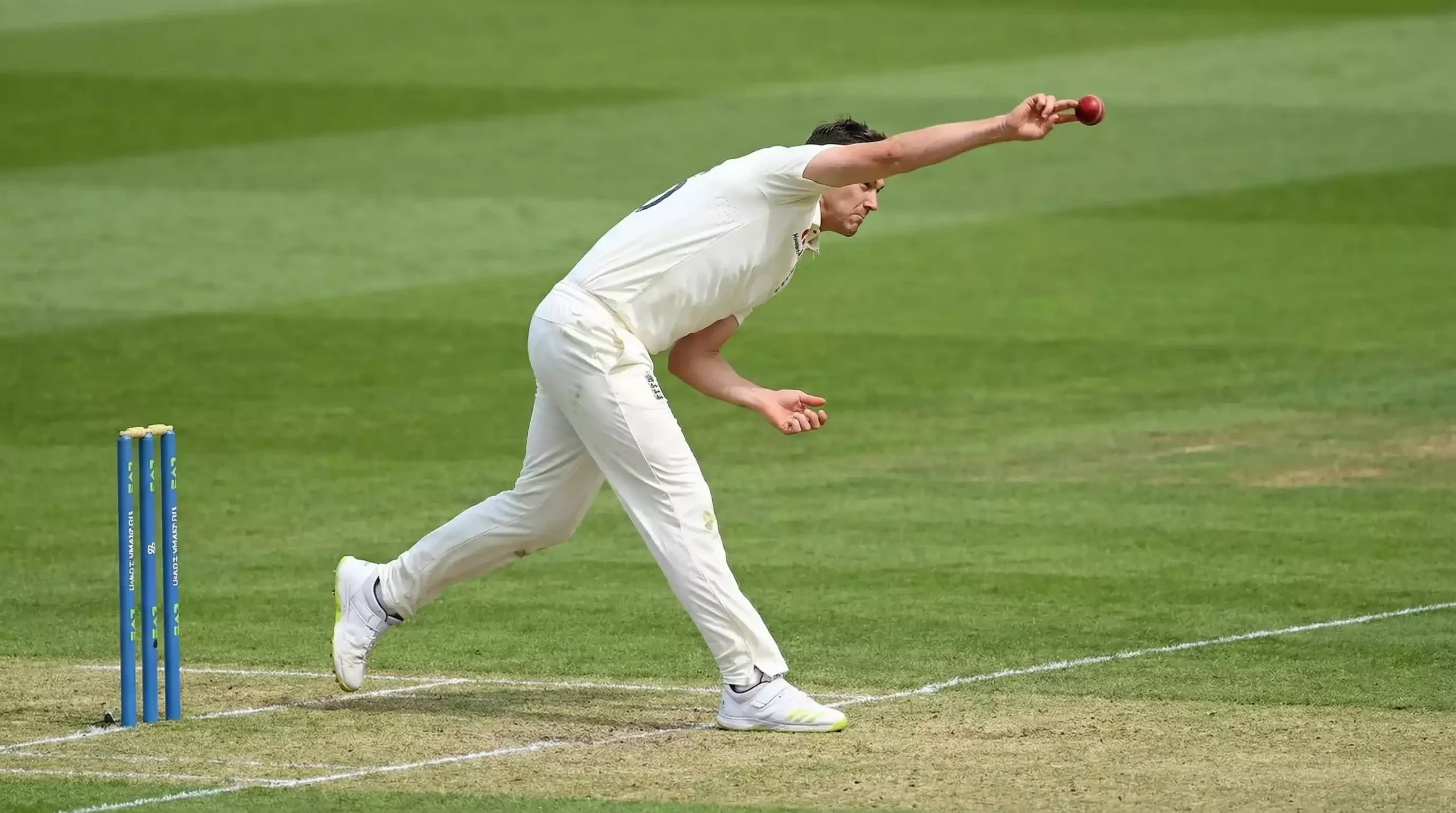
Top bowler markets operate on a different logic than top batsman. In batting, volume of deliveries faced drives opportunity. In bowling, wicket-taking is about the intersection of skill, conditions, and role within the team’s bowling plan. The best bowler in the world can finish with figures of 0/35 if they bowl during a period where the pitch is dead and the batsmen are set. Meanwhile, a disciplined medium-pacer who gets the new ball on a green top might take four wickets before lunch. Understanding these dynamics — what creates wicket-taking opportunities and which bowlers are best positioned to exploit them — is the analytical core of profitable top bowler betting.
This guide covers the factors that determine wicket probability for individual bowlers and how to translate that analysis into market selections that consistently find value.
Structure of Top Bowler Betting Markets
Top bowler markets ask you to pick the player who will take the most wickets in an innings, match, or series. Each bowler is priced individually, with the bookmaker’s odds reflecting their model of each player’s wicket-taking probability. Like top batsman, this is a multi-runner market where dead-heat rules apply when two or more bowlers tie on the same number of wickets.
The key pricing driver is the bowler’s recent wicket-taking record in the relevant format. A pace bowler averaging three wickets per Test match will be shorter than one averaging two. A T20 specialist who regularly takes two or more wickets per game will be priced tighter than a containing bowler whose role is to concede few runs rather than take wickets. This pricing is logical as a starting point, but it underweights the contextual factors that dramatically shift wicket probability from match to match.
What separates this market from top batsman is the role dimension. Not all bowlers in a team have the same job. Opening bowlers get the new ball and the first crack at the opposition’s top order — the phase where the most wickets tend to fall in all three formats. First-change bowlers come on when the shine is off the ball and the batsmen have their eye in. Death-over bowlers in limited-overs formats face batsmen who are swinging at everything, which creates both wicket opportunities and the risk of being hit for many runs. Each role carries a different wicket-probability profile, and understanding which role each bowler fills in a given match is the first step in top bowler analysis.
Pitch Type and Bowling Style Alignment
The pitch is the most powerful variable in top bowler betting. A green, moisture-laden surface at Headingley or Christchurch transforms medium-fast bowlers into genuine threats, producing seam movement and variable bounce that generate edges, LBWs, and bowled dismissals at elevated rates. A dry, cracked pitch at Galle or Nagpur does the same for spin bowlers, creating turn and uneven bounce that accelerates as the match progresses.
The value equation is about matching the right bowling style to the right surface. A team with three quality pace bowlers and one spinner playing on a green top should see its pace bowlers overrepresented in the top bowler market — but the odds do not always reflect the magnitude of the advantage. If the pitch is genuinely fast and seaming, the pace bowlers might account for 80-90% of the wickets, yet the market may still price the spinner at odds reflecting their historical average rather than the condition-specific probability.
Conversely, on subcontinental turners, spinners gain a structural advantage that magnifies with each day of a Test match. A spinner who is priced at 7.00 for a match where the pitch is expected to turn sharply from Day 2 onward might be significantly underpriced relative to their actual wicket probability. The key is to anticipate how the pitch will behave, not just how it looks on Day 1. Teams that have inspected the surface and selected accordingly provide the most reliable clue — if a team picks three spinners, believe them.
The intersection of bowling style and pitch type also affects the method of dismissal, which feeds into secondary markets. Pace bowlers on seaming pitches generate catches in the cordon and behind the wicket. Spin bowlers on turning pitches produce LBWs, stumpings, and bat-pad catches at short leg. Understanding these patterns adds nuance to your top bowler analysis because a bowler who generates chances is not the same as a bowler who converts them — and conversion rates vary significantly depending on the fielding quality around the bat.
New Ball vs Old Ball: When Wickets Actually Fall
Cricket’s wicket-taking patterns are not evenly distributed across an innings. In all three formats, the new ball is the most dangerous period for batsmen. In Test and ODI cricket, the ball swings more and seams more when it is new, giving pace bowlers an advantage in the first 10-15 overs that diminishes as the ball softens. In T20, the new ball combined with fielding-restriction powerplay overs creates a cocktail of aggression and risk that produces early wickets at a disproportionate rate.
This timing pattern matters for top bowler markets because the bowlers who operate with the new ball have a structural advantage in wicket accumulation. The opening bowler who gets six overs with a swinging new ball in an ODI has more wicket-taking opportunities per delivery than the first-change bowler who comes on at over 12 with a ball that has lost its shine. This is not a quality judgment — the first-change bowler might be equally skilled — it is a probability judgment about when conditions are most conducive to taking wickets.
In Test cricket, the second new ball — available after 80 overs — creates another spike in wicket probability. If a team has bowled 75 overs without breaking through, the second new ball often triggers a cluster of wickets. The bowler who takes the second new ball, which is not always the same bowler who opened the first spell, receives a fresh injection of wicket-taking conditions. Identifying who gets the second new ball is a small but genuine edge in multi-day top bowler markets.
The old ball in subcontinental conditions offers its own unique dynamics. Reverse swing — where a worn ball moves in the opposite direction to conventional swing — is a devastating weapon for skilled pace bowlers. Bowlers who master reverse swing can take multiple wickets in spells during the 40-60 over range in ODIs, a period when the ball is theoretically at its least threatening. If you know which bowlers in a squad possess genuine reverse-swing ability, and the conditions are right for it (dry pitches, abrasive surfaces), the top bowler odds on those players may represent significant undervaluation.
Death-Over Wickets in Limited-Overs Formats
In T20 and ODI cricket, the death overs produce wickets through a mechanism entirely different from the new ball. Batsmen are swinging hard at everything, accepting risk in pursuit of boundaries, and this creates catching opportunities — skied shots, mistimed pulls, thick edges to the keeper. The bowler who delivers overs 17-20 in a T20 or overs 45-50 in an ODI is positioned to collect wickets almost as a byproduct of the batsmen’s aggression.
Death-over specialists like Jasprit Bumrah or Anrich Nortje build their wicket tallies partly through skill and partly through the structural reality that batsmen take more risks against them than they would in the middle overs. This structural wicket source is not always fully priced into the market, especially when a bowler’s overall economy rate looks expensive. A death bowler who concedes 10 runs per over but takes a wicket every eight deliveries in that phase is a strong top bowler candidate — the economy rate is a distraction when the market is asking about wickets, not runs.
Conversely, containing bowlers who excel in the middle overs — spinners who bowl tightly between overs 7 and 15 in a T20 — may take fewer wickets despite bowling well. Their role is to restrict rather than attack, and the batting approach against them (rotation rather than risk-taking) reduces their wicket-taking frequency. These bowlers tend to be overpriced in top bowler markets relative to their actual wicket probability because their reputation for quality bowling inflates the odds beyond what their role-specific output supports.
Workload, Rotation, and Overs Bowled
A factor that casual bettors overlook is simple volume — how many overs a bowler is likely to bowl. In Test cricket, the first-choice pace bowler might bowl 25-30 overs in an innings while the third seamer bowls 15. More overs mean more opportunities to take wickets, and this volume advantage compounds across a match. The workhorse bowler at 6.00 who bowls 50 match overs may offer better value than the strike bowler at 4.50 who bowls 30, purely because the additional deliveries create more chances for wicket-taking events to occur.
In T20 formats, every bowler is capped at four overs, which equalises the volume factor. This makes T20 top bowler markets more about per-delivery wicket probability than about volume, which shifts the analysis toward matchup quality, bowling phase, and role within the attack. The bowler who gets two powerplay overs and two death overs has higher-value overs than the bowler who gets four middle-over assignments, even if both complete their full quota.
Wickets Are Opportunities, Not Certainties
Top bowler betting rewards the bettor who understands that wickets are probabilistic events concentrated in specific phases, on specific surfaces, against specific batting styles. The bowler who aligns with the conditions, operates in the highest-wicket-probability phases, and bowls enough volume to accumulate chances is the one to back — even if they are not the biggest name in the attack. Reputation is already priced in. Context rarely is.
