
 Available in US
Cricket Betting Markets: Analyzing Every Bet Type
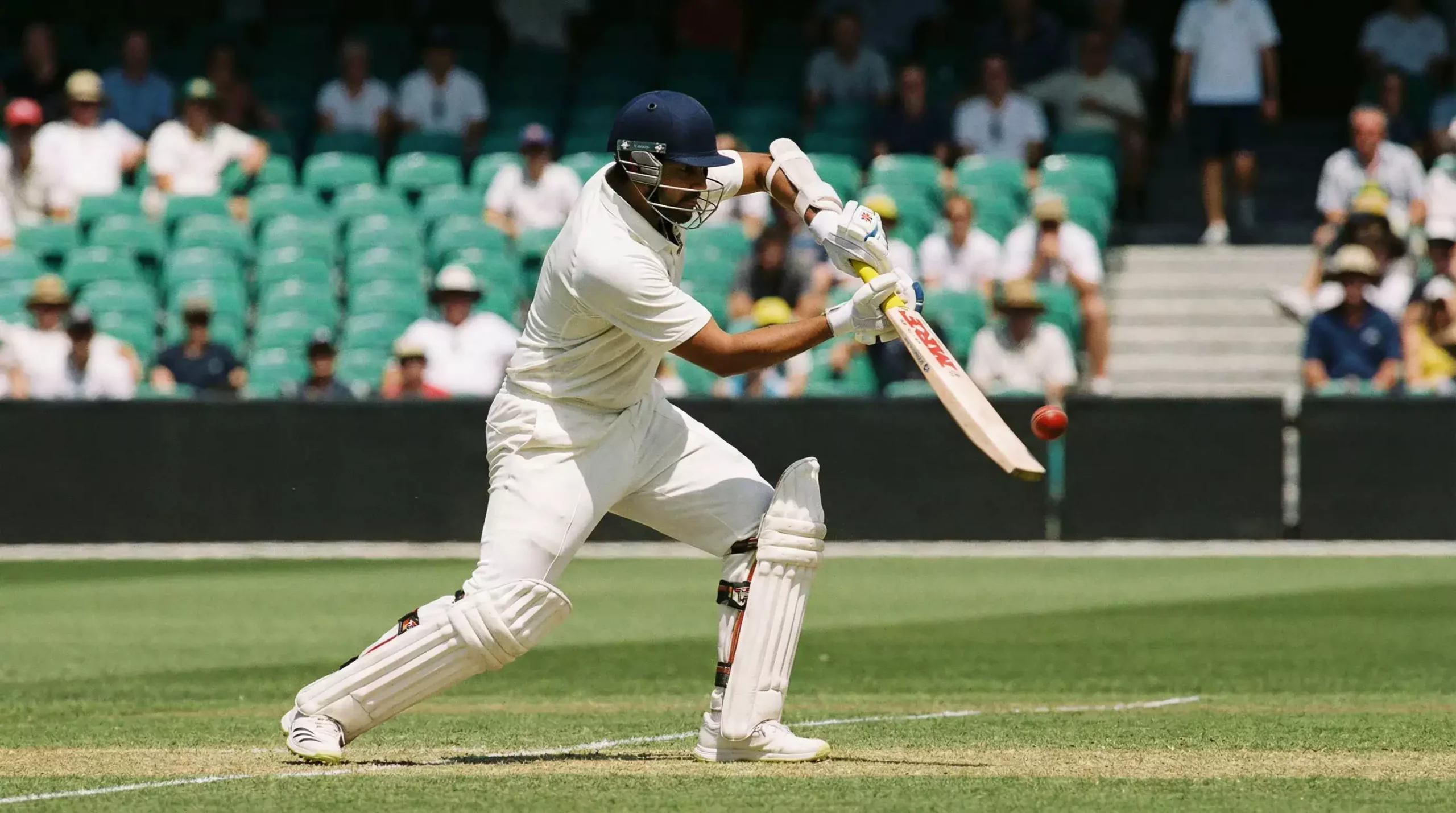
Cricket offers more betting markets than most sports, and it is not even close. A single T20 match can generate over a hundred individual markets before the first ball is bowled. An ODI pushes that higher. A five-day Test, with its shifting momentum and session-by-session drama, can produce markets that do not even exist in other sports. If you only know match winner bets, you are ignoring about 90% of where the action — and often the value — actually lives.
This guide maps out every major market category available in cricket betting, explains how each one works, and highlights which formats suit which markets best.
Cricket Match Result Betting Markets
The match result is the most basic and popular cricket bet, but its structure changes depending on the format. In T20 and ODI matches, you are choosing between two outcomes: Team A wins or Team B wins. Ties and no-results are typically covered by separate rules in the bookmaker’s terms, often voiding bets or applying dead-heat rules depending on the platform.
Test cricket introduces a crucial third option: the draw. This transforms match result from a two-way into a three-way market, and the draw is not just filler. In certain conditions — rain-prone venues, flat pitches, evenly matched sides — the draw can be the most probable outcome and is frequently underpriced by bookmakers who know their recreational customers prefer backing a winner. Experienced Test bettors pay close attention to draw odds as a standalone value opportunity.
Beyond the outright result, most bookmakers offer series winner markets for multi-match tours and tournaments. These are essentially futures bets where you are predicting the outcome of an entire series — such as the Ashes or a bilateral ODI tour — rather than an individual match. Series markets often carry higher margins but can provide value when you have a strong conviction about the arc of a contest that the bookmaker has not fully priced in.
Runs and Scoring Markets
Runs-based markets are where cricket betting gets granular. The most common is the over/under total runs line, where the bookmaker sets a number — say, 320.5 for an ODI — and you bet on whether the combined runs scored by both teams will finish above or below that figure. This market exists for the full match as well as for individual innings, and in T20 formats, you will find over/under lines for specific powerplay phases and death overs.
Individual innings runs allow you to bet on how many runs a specific team will score. This is particularly interesting in Test cricket, where first-innings totals can set the tone for the entire match. A team scoring 450 in the first innings on a deteriorating pitch is in a fundamentally different position than one scrapping to 220, and the odds for the remaining match markets adjust accordingly.
Highest opening partnership is a market that rewards knowledge of batting line-ups and their tendencies against new-ball bowling. Some opening pairs thrive against pace in helpful conditions; others struggle. The market asks you to predict which team’s openers will put on the larger stand, and in formats where openers bat aggressively — especially T20 — this market produces surprisingly volatile and exploitable odds.
Team to score the most sixes is another popular runs-adjacent market. It sounds like a coin flip, but it is heavily influenced by venue dimensions, team composition, and batting depth. Short boundaries and power-hitting line-ups create a clear statistical lean, and this market often gets mispriced when bookmakers do not account for specific ground characteristics.
Player Performance Markets
Top batsman and top bowler are the flagship player markets in cricket betting. The top batsman market asks you to pick which player will score the most runs in a given innings or match. Top bowler asks who will take the most wickets. Both markets are settled on actual performance, with dead-heat rules applying if two or more players tie.
What makes these markets interesting is the pricing. In a T20 match, the opening batsmen tend to be favourites because they face the most deliveries. But middle-order batsmen who come in during powerplay collapses or death overs can produce higher returns at longer odds, especially if you anticipate a specific game scenario that brings them to the crease early. Understanding batting order dynamics and matchups against particular bowlers is the edge here.
Man of the match betting is a market with a higher element of subjectivity, since the award is typically decided by a panel or broadcast commentator. All-rounders tend to be overvalued in this market because a moderate batting performance combined with a couple of wickets looks impressive on a highlights reel. Specialist players who produce a single dominant performance — a five-wicket haul or a century — often offer better value if you can anticipate which type of individual brilliance the match is set up to produce.
Dismissal and Bowling Markets
Method of dismissal is one of cricket’s most unique betting markets. You are predicting how the next wicket will fall — caught, bowled, LBW, run out, stumped, or hit wicket. This market runs live during matches and is heavily influenced by the bowling type on attack and the pitch conditions. Spin-heavy attacks on turning surfaces increase LBW and stumped probabilities; pace bowling on green tops skews toward caught behind and bowled.
Method of next dismissal is not a guessing game if you do your homework. Historical data shows that roughly 55-60% of Test dismissals are catches, with bowled and LBW each accounting for about 15-20%. Run outs sit around 5%, and stumpings are rare outside subcontinental conditions with spin dominance. These base rates shift dramatically depending on the match situation, and the odds do not always reflect the shift quickly enough — especially during live betting.
First-over markets ask you to bet on outcomes within the opening over of an innings: runs scored, whether a wicket will fall, whether a wide or no-ball will be bowled. These are fast-resolution markets popular with live bettors who want quick action. The odds are tight, but there are statistical edges to be found if you track specific bowlers’ first-over records and their tendencies when opening the attack at particular venues.
In-Play and Session Markets
Live betting in cricket is structured around sessions and phases, which gives it a rhythm that differs from the constant flow of football or basketball. In Test cricket, you can bet on session outcomes — how many runs will be scored, how many wickets will fall, or whether a team will declare before tea. Each session effectively becomes its own mini-match within the larger contest.
In limited-overs formats, phase-based markets cover specific overs. Powerplay run totals are among the most popular, with bookmakers setting over/under lines for the mandatory fielding-restriction period. These markets reflect an informed expectation about pitch behaviour, team approach, and new-ball conditions. A pitch that offers early seam movement will produce lower powerplay totals; a flat deck with short boundaries invites aggressive batting from the start.
Fall of next wicket is a live market that asks you to predict at what score the next wicket will fall. Bookmakers set a line — say 85.5 — and you bet on whether the batting partnership will push past it or fall short. This market rewards attention to how settled the batsmen look, whether a bowling change is imminent, and whether a new ball is approaching. It is one of the most skill-intensive live markets because it demands real-time evaluation rather than pre-match research alone.
Futures and Outright Markets
Outright winner markets for tournaments and leagues operate on a futures basis. Before the IPL starts, you can back a franchise to win the title. Before a World Cup, you can bet on the eventual champion. These markets open months in advance and the odds shift as team news, form, and conditions become clearer. Early prices typically offer the best value because the uncertainty premium works in the bettor’s favour — but they also carry the most risk because so much can change.
Top tournament batsman and top tournament bowler are individual futures markets that ask you to predict the leading run-scorer or wicket-taker across an entire competition. In tournaments with large squads and rotational policies, these markets reward knowledge of which players are likely to feature in every match versus those who may be rested or rotated. A player who bats in all seven group-stage matches has a structural advantage over one who plays five, regardless of talent.
Group-stage markets are available for ICC events and ask you to predict which teams will qualify from each group. These can offer excellent value when the draw produces a group with one clear favourite and two or three teams competing for the remaining spot. Bookmakers often overprice favourites in these markets because recreational bettors gravitate toward big names, leaving value on contenders who may be less glamorous but statistically well-positioned.
Speciality and Prop Markets
Proposition bets — props — are the seasoning in cricket betting. They cover everything from the outcome of the first ball of the match to whether a specific batsman will hit a six in a given over. Exact score props ask you to predict the precise total a team will post — a high-risk, high-reward market with long odds but minimal edge for the bettor.
Race to a milestone is a market where you bet on which batsman will reach a certain score first — say, 25 runs. This market suits T20 particularly well because the aggressive pace of scoring creates frequent lead changes early in an innings, and knowledge of openers’ strike rates against specific bowling attacks provides a genuine analytical edge.
The Market Is the Message
Cricket’s market depth means there is always somewhere to put an informed opinion to work. The mistake most bettors make is spreading thin across every available option. The better approach is depth over breadth — master the mechanics of two or three market types that align with your analytical strengths, and let the rest of the menu sit untouched. A bettor who deeply understands powerplay run totals will outperform a bettor who dabbles in twenty different props, because consistency of analysis beats variety of action every time.
